“What started as a collaboratively designed guidebook turned into a collaboratively built youth leadership network.”
– Britt Gondolfi, Bioneers
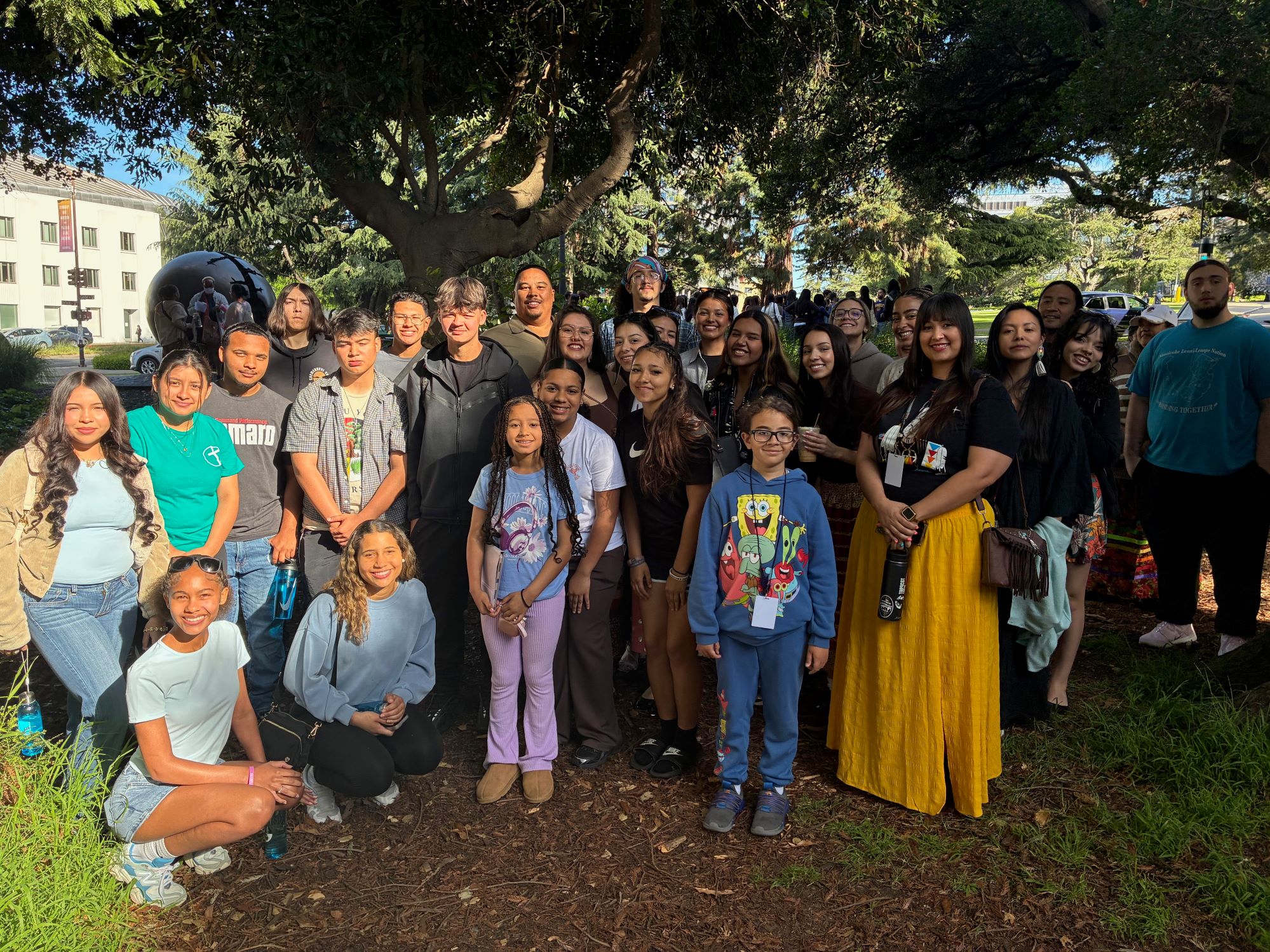
Native Youth Network Spreads Rights of Nature
In 2021, Bioneers came to Mosaic Environmental Fund alongside a group of Tribes, Indigenous NGOs, and other partners with a proposal for a project to jumpstart the adoption of Rights of Nature laws by Indigenous communities across the United States/Turtle Island. Rooted in Indigenous worldviews, these laws create a basis for protecting and restoring natural ecosystems and communities facing increasing threats from oil and gas development, diversion of water resources, chronic underinvestment, and more.
What came out of this effort was not just a robust set of resources to guide Tribal adoption, but an activated and growing Indigenous youth community that has taken up the mantle and is notching wins from the Colorado River to the Great Smoky Mountains and beyond.
“Because of their success, we don’t go and do presentations with Tribes anymore,” said Britt Gondolfi, Rights of Nature Project Coordinator for Bioneers. “Our mission is still to pass Rights of Nature laws, but we’ve shifted from an information-sharing model to an experiential offering for Tribal youth with resources to back it up.”
Mashpee Youth Take the Lead
It all started with youth from the Mashpee Wampanoag Tribe in Eastern Massachusetts, a collaborating partner on the project. While hosting a legal workshop, project leaders met some young people and heard about challenges the Tribe was facing with declining herring populations, a keystone species in the region. Around the same time, a member from the Tlingit tribe in Alaska requested support for an intertribal Indigenous youth gathering. Seeing an opportunity to develop leadership among the Mashpee Wampanoag youth and share the Rights of Nature framework and tools the project had developed, Bioneers agreed to support the camp and sponsor a group from Mashpee to attend.
“It was an incredible experience to connect with youth from diverse Indigenous cultures and understand their challenges,” said Talia Landry, Secretary of the Mashpee Wampanoag Tribal Council. “This experience gave them a sense of responsibility and pride in their culture, making them ambassadors who use their voices to spread awareness about the cause.”
The Mashpee group came home from the camp with an action plan to move Rights of Nature forward in their community, and Bioneers gave them a small budget out of project funds to support it. They organized themselves as the Native Environmental Ambassadors (NEA), held conversations with elders, drafted an emergency declaration for the rights of herring to exist, persist, and thrive, and educated the community around it. The declaration passed unanimously, and the Tribe then used it to engage the local county council and ultimately direct funding to remove fish ladders impeding the herring recovery and improve passage.
“Working with this group helped me grow as a person,” said Amaya Balbuena, one of the youth leaders of the NEA. “It’s made me realize the power of my voice so I can help my community.”
Ambassadors Spread Ideas and Inspiration
With experience under their belts, the youth ambassadors started to share their story with other Indigenous youth and the broader Bioneers community. Through workshops and speaking engagements at Bioneers events, they planted the seed for the recent adoption of rights for the Colorado River by the Colorado River Indian Tribes, and inspired youth from the Eastern Band of Cherokees to win rights for the Longperson, a stream system in the Great Smoky Mountains. They also won a grant to host their own camp in 2025, bringing together 70 Indigenous youth from 12 Tribes who are now getting engaged in their own communities and bringing in new youth in turn.
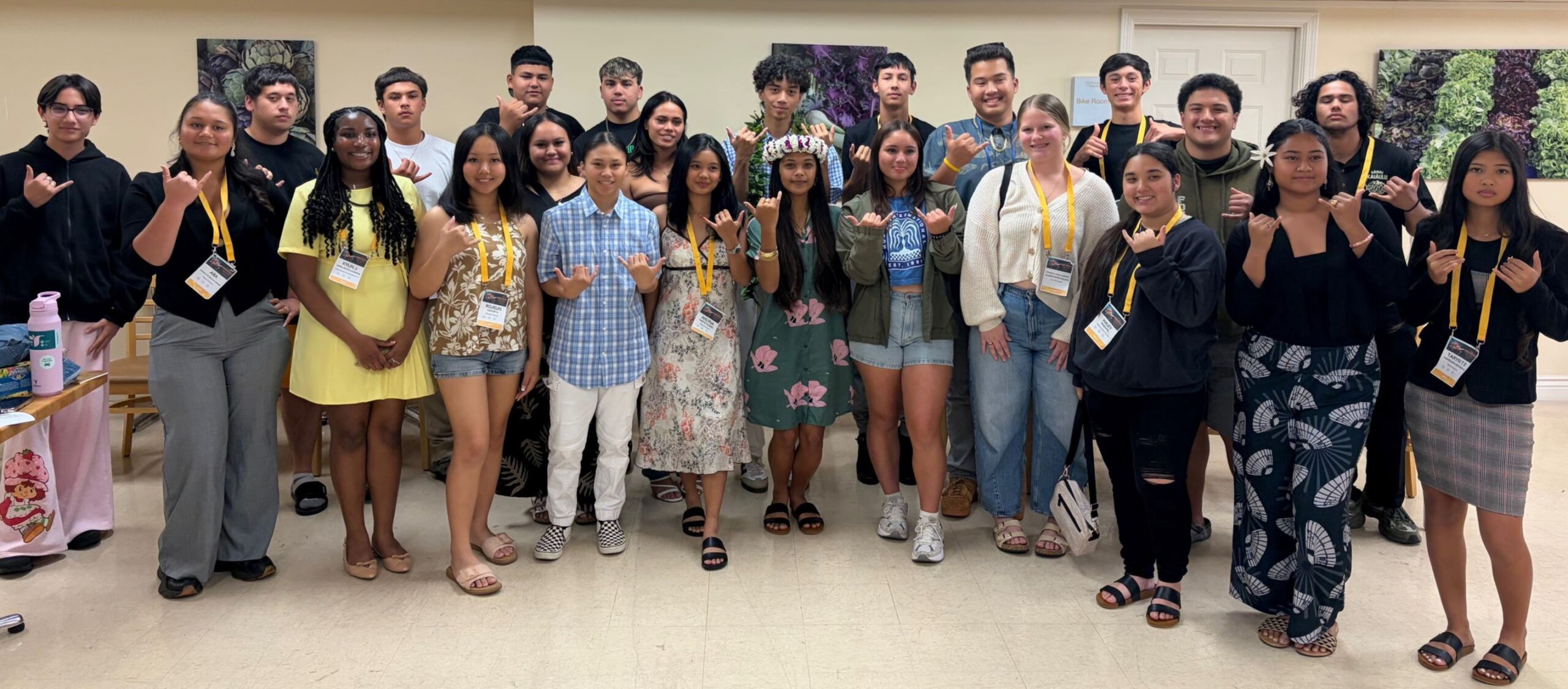
“When other youth see their peers doing this thing, they can see themselves doing it. It becomes a story and an experience that’s real and lived,” said Gondolfi. The success of these youth-led efforts, she reflected, came down to a few key “gifts” that the project was able to give: A catalytic bonding experience; the Rights of Nature guidebook and other implementation resources; seed funding to support their work in community; a network of professionals that could stand behind them; and platforms to engage with others.
A Native Youth Network Takes Root
Starting from this foundation, Bioneers’ Indigenous youth program now has 550 youth and youth mentors representing over 150 Tribes from across North America, Central America, Siberia, the Pacific Islands, and South America. As the network grows, it is not only sparking projects with individual Tribes, but fostering collaboration on issues that cross geographic bounds.
“Because of the flexibility of the resources we had from Mosaic,” said Gondolfi, “what started as a collaboratively designed guidebook turned into a collaboratively built youth leadership network that’s taking the guidebook’s mission to the next level: implementation. And the most exciting part is that it’s youth taking the lead.”
Collaborating partners in the Rights of Nature Tribal Governance project funded by Mosaic include:
- Collective Heritage Institute (d.b.a. Bioneers)
- Center for Democratic and Environmental Rights
- Colorado Plateau
- Intertribal Conversations
- Earth Law Center
- Havasupai Tribe
- Chemehuevi Indian Tribe
- Mashpee Wampanoag
- Movement Rights
- Menikanaehkem Community Environmental Legal Defense Fund
- Great Plains Action Society
- R.I.V.E.R (Revitalizing Indigenous Values for Earth’s Regeneration)